Being an Author: Karjaka Magazine
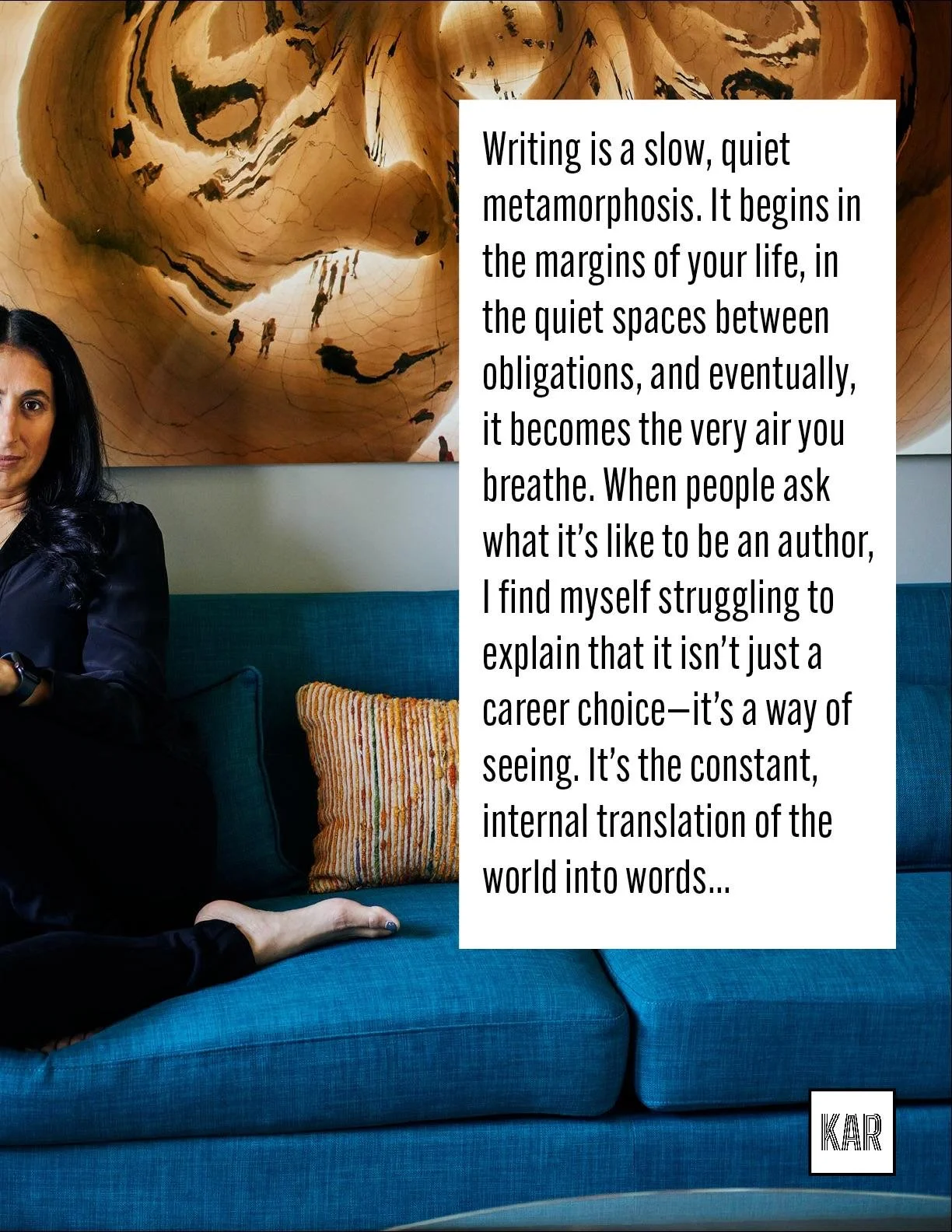
Writing is a slow, quiet metamorphosis. It begins in the margins of your life, in the quiet spaces between obligations, and eventually, it becomes the very air you breathe. When people ask what it’s like to be an author, I find myself struggling to explain that it isn’t just a career choice—it’s a way of seeing. It’s the constant, internal translation of the world into words, the way a sunset isn’t just a change in light but a metaphor for a character’s fading hope, or how a stranger’s laughter in a crowded room becomes the rhythm for a scene you haven’t written yet.
Growing as a writer is a journey of shedding old skins. In the early days, you are enchanted by the sheer magic of creation, but as you go deeper, you realize that writing is as much about architecture as it is about art. You learn to embrace the “ugly first draft,” understanding that you cannot polish a blank page. There is a profound, humbling growth that happens when you realize your first instinct isn’t always your best one.

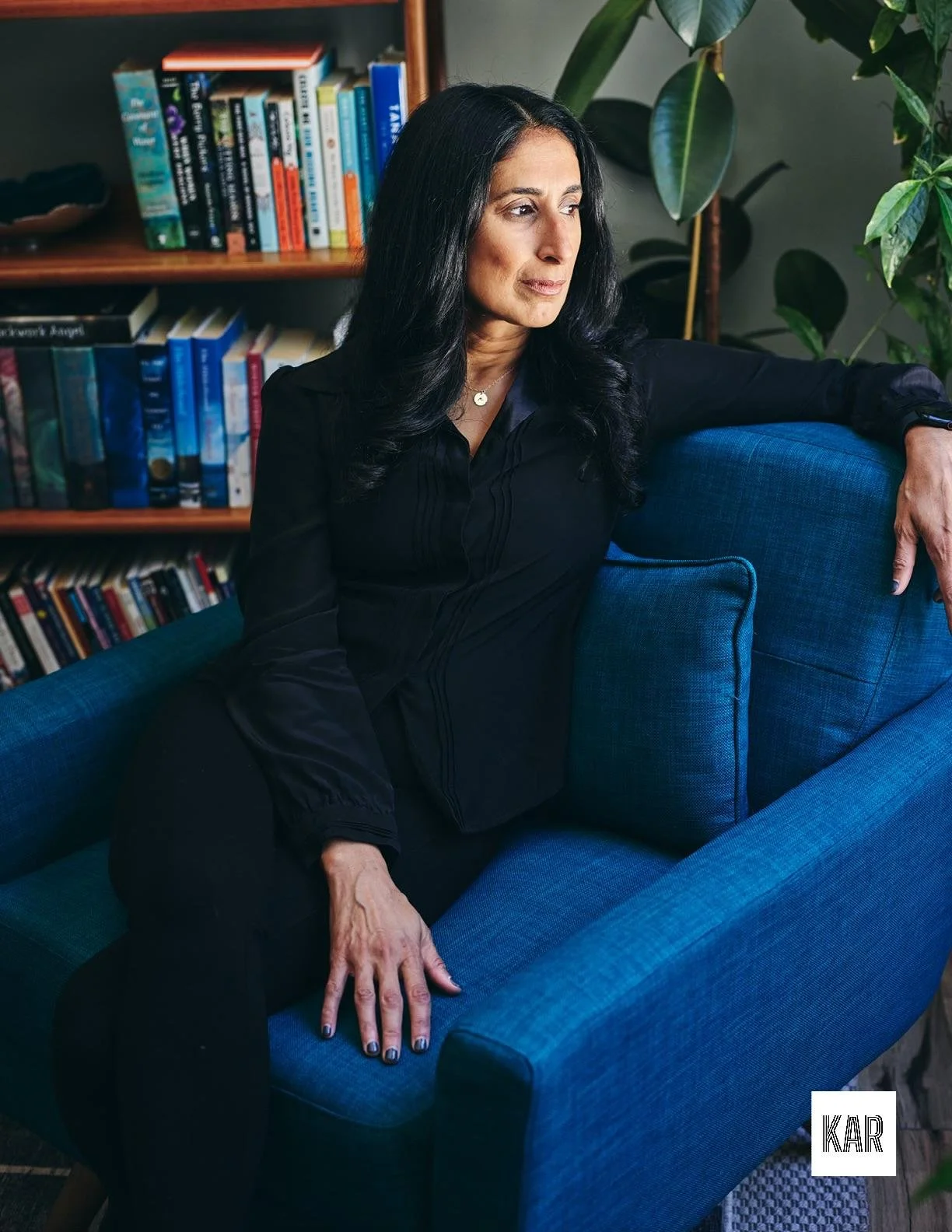
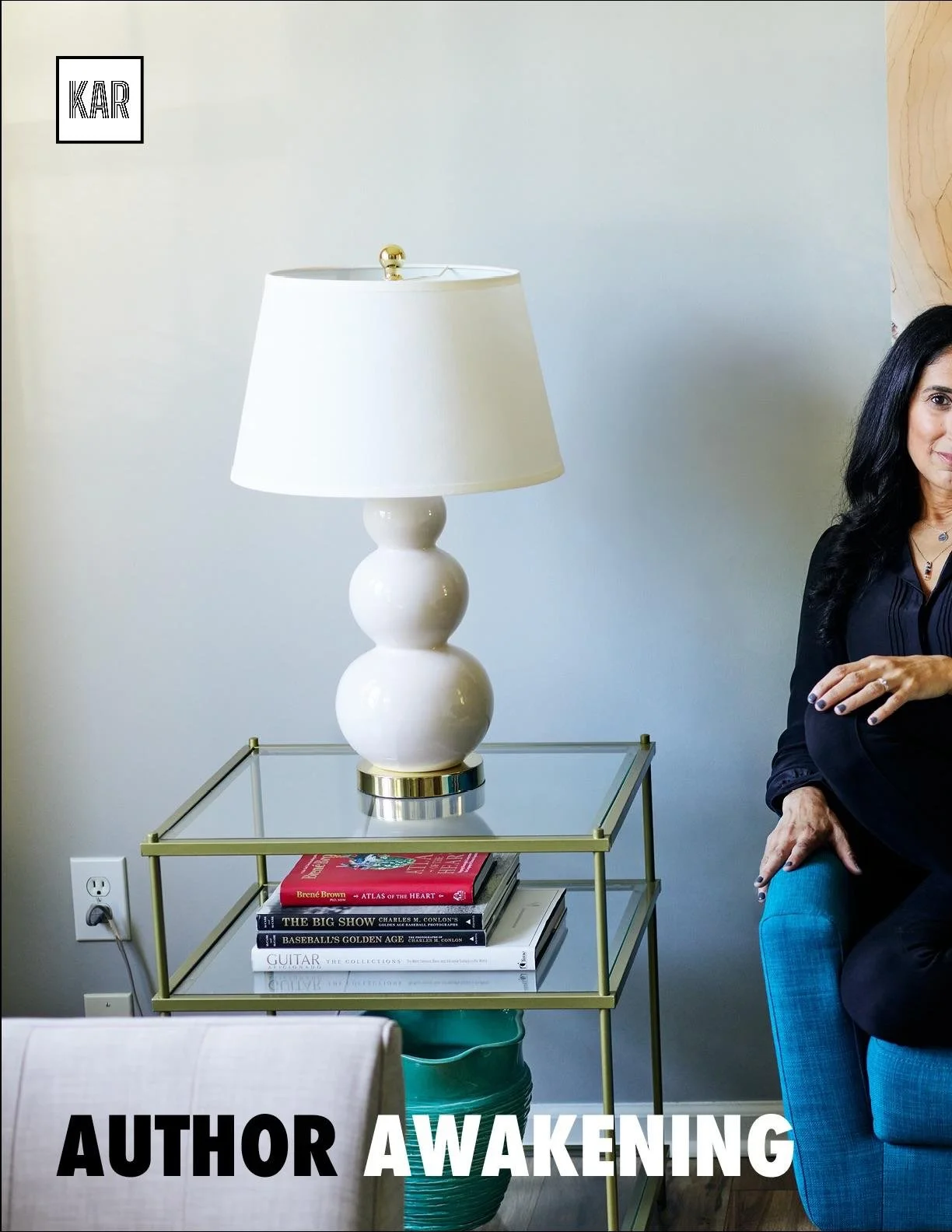
Throughout this evolution, the most transformative element hasn’t been the craft itself, but the overwhelming waves of support and love from people I never expected to reach. There is a unique vulnerability in putting your inner world onto paper; it feels like walking into a crowded room with your ribcage open. But instead of judgment, I found a community of kindred spirits. I think back to the specific moments that anchored me: the online book community that stayed awake across three different time zones just to cheer me on as I hit my daily word count; and the fellow authors who reached out not as competitors, but as mentors, sharing the hard-won secrets of their own journeys.
This connection deepened into something sacred as the story began to find its way into the hands of readers. There is a specific kind of magic that happens when a “fan” becomes a friend through the medium of the page. I remember the first time someone sent me a message saying they stayed up until dawn because they couldn’t put Elemental Awakening down; it felt like a handshake across the void. I’ve received the art of my characters that captured exactly the expression I had imagined but couldn’t quite describe. I’ve seen readers theorize plot twists in ways that made me realize they knew this world as intimately as I did. From the friends who kept cheering me on when they knew I was deep in a plot hole, to the readers who see themselves in my characters, the connection has been breathtaking. This journey can be solitary, but it is never lonely when you realize your words are building bridges to other hearts.
Central to this journey is the delicate, often contentious dance between “The Muse” and “The Work.” In the romanticized version of authorship, the Muse is a divine visitor who strikes with a bolt of lightning, leaving a finished masterpiece in her wake. But I have learned that the Muse is a fickle guest; she only likes to show up when the room is already clean, and the lights are on. If I waited for inspiration to strike, Elemental Awakening would still be a series of scattered notes in a dusty journal. ”The Work” is the daily grit of showing up when the Muse is nowhere to be found. It is the discipline of typing through the “sands” of a transition scene or a difficult bit of exposition. I’ve realized that the Muse doesn’t start the fire; she just fans the flames that “The Work” has already built. There is a strange, quiet dignity in the days where every word feels like pulling teeth, because those are the days that prove you are a writer, not just someone who has ideas. Balancing the two means honoring the flashes of brilliance when they come, but trusting the labor of your own hands when they don’t.
The logistics of this life reflect this balance.
Being an author is a business of intentionality. It is the grit of the all nighters, the non-negotiable ritual of coffee and a blank screen while the rest of the world is sleeping. It’s a 70/30 split between the invisible labor and the visible art—hours spent in the “bottleneck” of research, digging for the perfect historical detail or scientific nuance that makes a magical system feel grounded in reality. It’s the “administrative sprawl” of managing social media, responding to emails, and navigating the labyrinth of the publishing process while trying to keep your creative soul intact. You learn that productivity isn’t about waiting for inspiration to strike, but about showing up to your desk even when the well feels dry.
Perhaps the most terrifying and rewarding logistical hurdle is the “First Reader” experience. Handing over your manuscript for the first time is a rite of passage that feels like an emotional earthquake. I remember the paralyzing wait for the first round of feedback—the way every notification on my phone made my heart skip. But when that feedback arrived, it wasn’t the critique that stayed with me; it was the realization that someone else was now carrying my characters in their head. Seeing a reader’s reaction to a twist I had agonized over, or hearing that they wept at a scene I wrote while crying myself, validated the months of isolation. Those first readers are the bridge between your private world and the public sphere; they are the first ones to tell you that your “lifeline” has the power to become someone else’s anchor, too.
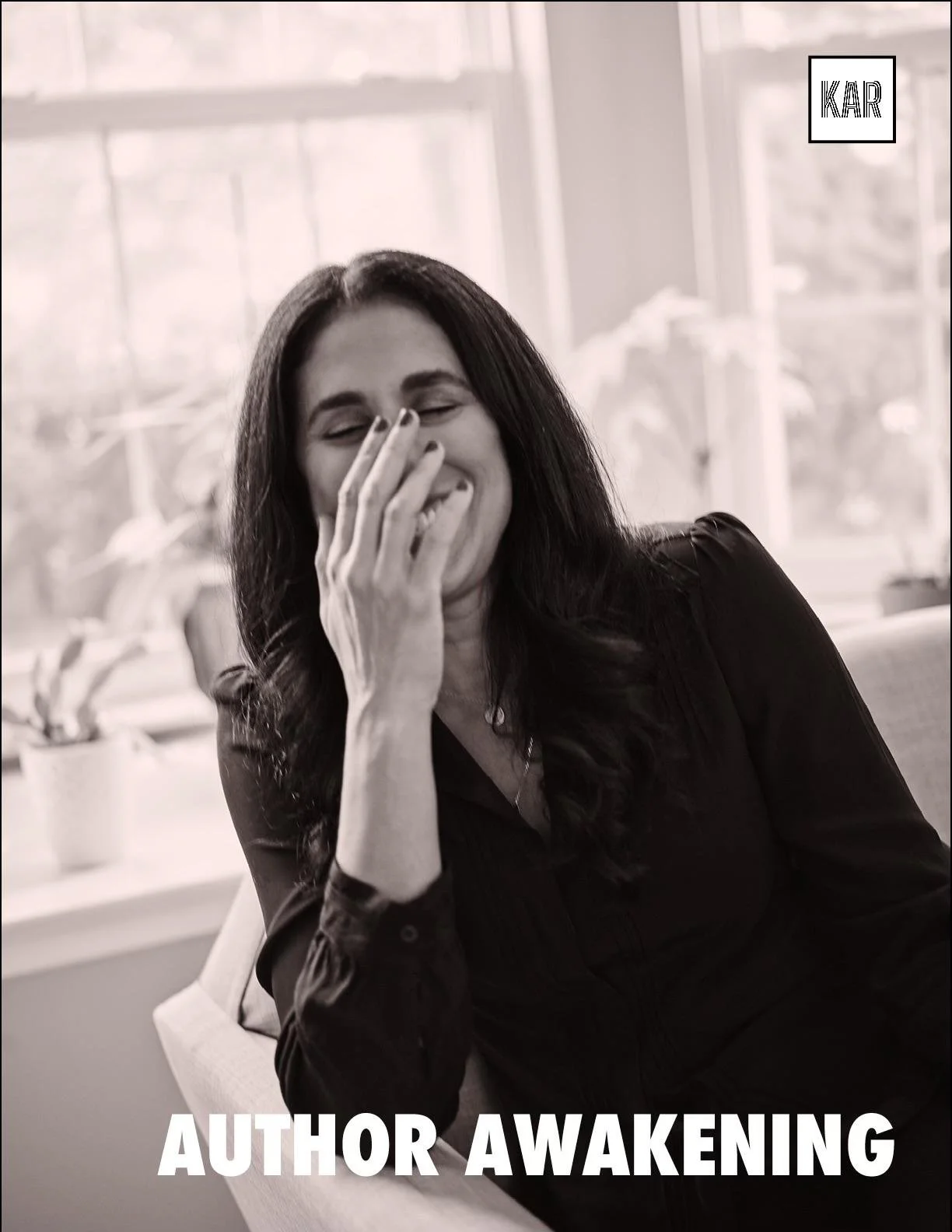
As long as there is a story to tell, there is a reason to keep going.
Yet, even with that validation, the shadow of Imposter Syndrome followed me through every chapter. There is a persistent voice in the back of an author’s mind that whispers, Who are you to tell this story? Who gave you permission to take up space? I spent weeks staring at my finished manuscript, convinced that the moment it reached a wider audience, they would see right through me—they would see the scared person from that “difficult season” instead of a “real” writer. Overcoming that fear didn’t happen in a single moment of triumph; it happened through the slow realization that “Author” is not a title bestowed by others, but a commitment you make to yourself. I had to learn to treat my Imposter Syndrome like a noisy neighbor: I can hear her through the wall, but I don’t have to invite her over for dinner. I realized that if the story felt real to me, it would feel real to someone else.
That “difficult season” was a time when the ground beneath me felt less like solid earth and more like shifting sand. It was a period of profound uncertainty, where my voice felt small, and my future felt like a series of closed doors. In those hours when I couldn’t find the strength to speak to the world, I found the strength to write to myself. I began to pour my grief, my questions, and my flickering hopes into the characters of Elemental Awakening. If I couldn’t control the chaos in my own life, I could at least guide my protagonist through theirs. I realized that the magic I was writing about—the ability to harness the elements—was a metaphor for my own need to reclaim my power.
To build this reclamation into the world itself, I developed an elemental system that mirrored the fracture and eventual healing of the soul. I envisioned four distinct realms, each reflecting a different facet of the human experience. There is the Air Element, where the air is thin and the magic is as flighty as an unanchored thought; the Fire Element, where the heat is a constant reminder of the passion and anger we often try to suppress; the Water Element, where secrets are held in the crushing weight of the ocean; and the Earth Element, where the earth demands a grounded, stoic strength. My protagonist’s journey across learning to wield these elements wasn’t just a quest for survival—it was a journey toward integration. She had to learn that she couldn’t just master the fire; she had to find the fluidity of the water, the freedom of air, and the stability of the earth to truly “awaken.”
It wasn’t just about physical attraction; it was about two souls recognizing the jagged edges in one another and choosing to stay anyway. I spent hours refining their dialogue, ensuring that every glance and every unspoken word carried the weight of their shared history. I wanted the reader to feel the magnetism of a love that is both a sanctuary and a challenge. In building their romance, I found myself exploring my own capacity for vulnerability, learning that the most powerful connections are often the ones that require us to lower our shields.

Styled by Sarah Goldrainer.
Now, as I stand on the precipice of my launch, the transition from “Private Writer” to “Public Author” feels like stepping out of a dimly lit room into the midday sun. For years, these characters were mine alone; they lived in the quiet corners of my mind and the ink of my journal. Now, I am learning to let them go. The transition is jarring—shifting from the internal work of creation to the external work of advocacy. It means learning to speak about my work with pride rather than a whispered apology. It means realizing that once the book is in a reader’s hands, the story no longer belongs to me—it belongs to them. This “going public” is the final act of courage in the author’s journey, the moment where you trust that the lifeline you built for yourself is strong enough to carry others.
As the world-building expanded, so did my own sense of self. Every magical system I built was a mirror of my own healing process. The “tension” and “yearning” of the genre weren’t just tropes to me; they were the very emotions I was navigating every single day—the yearning for a version of myself that was no longer afraid.
When the time finally came to write the last chapter, the experience was physical. I remember the weight of my hands on the keys, the way my breath hitched as I typed out the final interaction between my leads. It wasn’t just a sense of accomplishment; it was a profound sense of “leaving.” I had lived in this world for so long that finishing it felt like moving out of a house I had built with my own hands.
This process taught me that stories are not just escapism; they are survival. When the real world felt too heavy, the world within my pages provided a sanctuary where I could process pain through the lens of magic and resolve. Now, looking back at the thousands of words that have flowed from that initial spark, I realize that being an author is more than just publishing a book. It’s about the resilience required to keep showing up for your characters when you feel like you have nothing left to give. It is a testament to the fact that beauty can grow from the hardest soil, and that sharing our stories is perhaps the most courageous thing we can do. As I step forward into this next chapter, I carry with me every word of encouragement, every shared tear, and the enduring belief that as long as there is a story to tell, there is a reason to keep going.